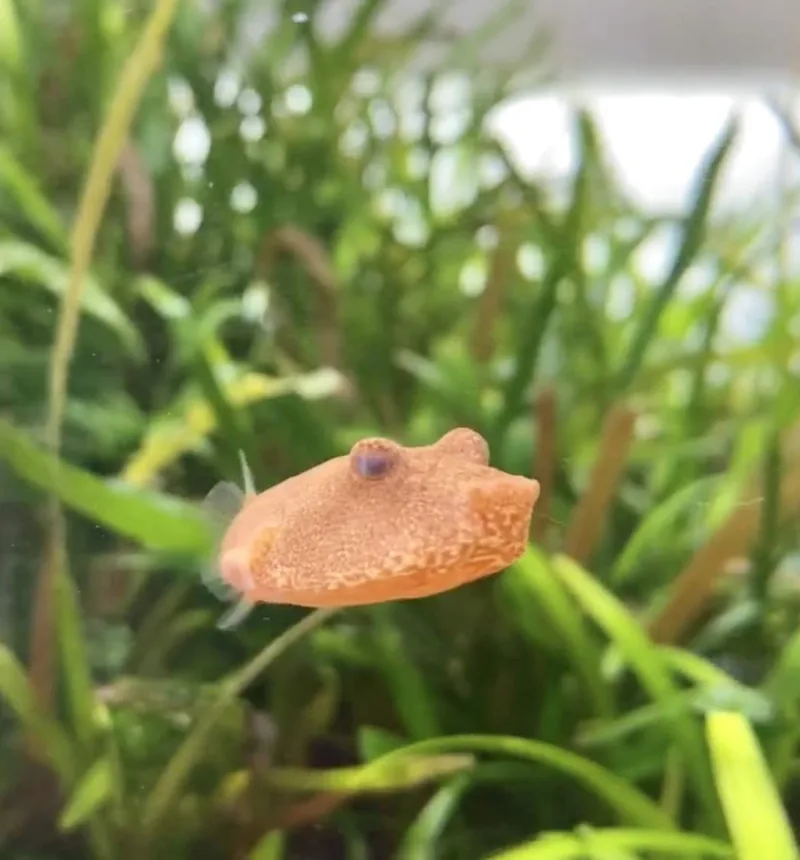
What should I do before buying a potato puffer?
Confirm the scientific name Tetraodon miurus, finish a fishless cycle, prepare soft sand and a secure dedicated aquarium, and ask what the fish currently eats. Arrange a cycled quarantine option and identify an aquatic vet. Stable water and a familiar accepted food are more important than a busy display on arrival.
| Period | Primary actions | What to watch |
|---|---|---|
| Before arrival | Finish cycling; confirm Tetraodon miurus; prepare sand, cover, familiar food and submerged-transfer equipment | Zero ammonia and nitrite, stable temperature, secure equipment |
| Arrival day | Follow the supplier’s acclimation instructions; keep lighting low; transfer gently while submerged | Breathing, balance, temperature and filter flow |
| Days 1–7 | Test ammonia and nitrite daily; offer a modest familiar meal after settling; remove leftovers | Appetite, body condition, skin and behavior compared with the arrival baseline |
| Weeks 2–4 | Maintain a steady routine; begin tong training; introduce suitable foods one at a time | Consistent condition, accepted foods, nitrate trend and any new symptoms |
Before you buy
Verify Tetraodon miurus rather than relying on ‘Congo puffer.’ Ask what it currently eats, how often it is fed, how long the supplier has had it, and what water it lives in. Request a feeding demonstration or video. Choose a fish with intact skin, normal breathing and a well-proportioned body; do not buy an unwell fish without a realistic treatment plan.
Before arrival
Finish the fishless cycle, check water values and have a quiet cycled quarantine space available. Fit a secure lid, soft sand, shelter and protected equipment. Prepare the fish’s familiar food and long tongs. Locate an aquatic veterinarian and save the supplier’s contact information.
Arrival day
Dim the lights, keep the room calm and follow the supplier’s transport-specific acclimation instructions. Keep transfers gentle and submerged. Avoid rearranging the tank, handling the fish or repeatedly offering food. Check temperature, flow and breathing after it settles.
The first week
Test ammonia and nitrite daily and remove uneaten food promptly. Offer a small familiar meal once it has settled, following the supplier’s schedule. Record appetite and behavior. Do not add tankmates or start preventive medication without a reason and professional guidance.
Weeks two to four
Keep a steady maintenance routine and start patient tong training. Introduce one suitable food at a time alongside familiar foods. Adjust portions to body condition and nitrate results. Continue quarantine observation according to your agreed plan; apparent health after a few days is not a reason to rush the transfer.
Your definition of success
Stable water, zero ammonia and nitrite, easy breathing, intact skin, consistent body condition and an accepted varied diet are better goals than constant swimming. Give the fish space to bury and be itself. If appetite or condition declines, investigate promptly instead of assuming it is just shy.
Common questions
Should I feed my potato puffer on arrival day?
Follow transport-specific instructions from the supplier and let the fish settle. Once it is calm, offer a small familiar food on an appropriate schedule rather than repeatedly attempting meals.
How long should I quarantine a new potato puffer?
Agree a plan with the supplier or aquatic vet. Several weeks of observation is common; symptoms and testing can change the period. Quarantine needs a mature filter, sand and stable water.
Is clear water enough to buy my first puffer?
No. Confirm a finished fishless cycle with water tests and ensure the tank can process ammonia and nitrite. Clear water alone does not show biological readiness.
What should I record when my potato puffer arrives?
Record the arrival date, confirmed scientific name, approximate size, temperature, ammonia and nitrite, breathing, body condition and the supplier’s accepted food. Add a clear photo through the glass and note when food is first offered and accepted so later changes have a useful baseline.
This guidance is for Tetraodon miurus. Care targets are starting points to use with observation and water testing. For symptoms or treatments, consult an aquatic veterinarian.
Explore our resources and photo credits