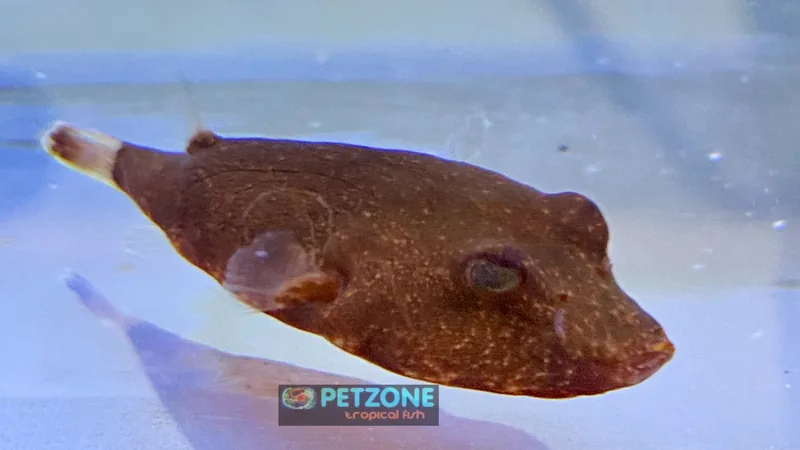
What should I check if my potato puffer looks unwell?
Test ammonia and nitrite, confirm temperature, check filter flow and increase aeration if breathing is affected. Correct poor water with matched, dechlorinated water changes. Labored breathing, loss of balance, severe swelling or injury require urgent aquatic veterinary advice. Do not diagnose parasites or prescribe medication from one symptom.
Know the baseline
A healthy miurus can be sedentary. Record what normal breathing, resting, appetite, body shape and waste look like for your fish. Regular photos taken through the glass are useful for comparing changes. Inspect for scrapes around the belly and mouth, where a digging fish may be injured.
Urgent signs
Rapid or labored breathing, gasping, loss of balance, an unresponsive fish, major injury or sudden severe swelling deserve urgent action. Immediately test ammonia and nitrite, confirm temperature, increase aeration and inspect equipment. If water quality is poor, perform a matched, dechlorinated water change and retest. Contact an aquatic veterinarian promptly.
Puffing, a full belly and swelling are different clues
Defensive inflation is a sudden expansion of the whole body after a threat. A recently fed puffer may instead show a rounded abdomen without the rest of the body expanding. Persistent, uneven or unexplained swelling is neither a normal feeding target nor something to diagnose from appearance alone. Check breathing, balance, appetite, waste and water-test results together. Never startle the fish to test whether it can puff, press its abdomen or try to release air yourself. Keep necessary transfers underwater in a rigid container; inflation that does not resolve promptly, or any swelling paired with labored breathing or loss of balance, needs urgent aquatic veterinary advice.
Refusing food or losing weight
Start with environmental checks and review the food offered. A stressed new arrival may not eat immediately; continued refusal with weight loss is different. Parasites, dental problems and other illnesses can look similar from outside. Note timing, food history, stool appearance and test results for a vet. White/stringy waste alone does not prove parasites.
Skin marks, spots or wounds
Photograph the area clearly without handling the fish. Check sand texture and sharp decor, and confirm water quality. Spots, excess mucus, redness or fuzzy patches need diagnosis rather than a guess from a picture. Treating the wrong condition can delay recovery and damage the filter.
Use medication with a diagnosis
Ask a fish-health professional for the specific product, dose and treatment environment. Puffer sensitivity varies by medication; blanket claims that every medication is safe or that every dose should be halved are unreliable. Some treatments reduce oxygen or damage biological filtration. Do not combine products or use copper casually. Follow the prescribed plan and test water throughout.
Quarantine and arrival care
A separate, fully cycled aquarium with its own tools helps you observe a new fish before entering the display. Provide sand, cover, guarded equipment and stable conditions. Agree the observation period and any testing or treatment with an experienced supplier or aquatic vet; several weeks of observation is a common starting practice. An uncycled hospital tank can create a second emergency.
Safe transport and transfers
Keep the fish submerged during transfers using a rigid, water-filled container. Avoid chasing with a net, exposing it to air or causing inflation. For shipping arrivals, follow the supplier’s acclimation instructions; prolonged drip acclimation in opened shipping water can increase ammonia exposure. Prepare the receiving aquarium in advance.
Bring useful information to the vet
Have these ready: species, approximate size, arrival date, symptom timeline, photos or video, recent foods, water-test values and units, tank dimensions, temperature, maintenance history and any chemicals already used. Veterinary care is especially important for dental work, unexplained wasting and persistent respiratory signs.
Common questions
Does white stringy poop mean parasites?
Not by itself. Waste appearance can change with diet and reduced feeding. Continued weight loss or other symptoms need diagnostic assessment rather than automatic deworming.
Can I trim a puffer’s teeth at home?
Do not attempt DIY trimming or sedation. Difficulty eating, closing the mouth or grasping food should be evaluated by an aquatic veterinarian.
Should I halve medication doses for puffers?
There is no reliable blanket rule. Product, condition and species matter. Follow a qualified professional’s specific treatment plan rather than improvising a dose.
Why is my potato puffer swollen?
A rounded abdomen after a meal, defensive whole-body inflation and persistent swelling are different clues. Do not press the fish, provoke puffing or assume one cause from a photo. Test water and compare breathing, balance, appetite and waste with its normal baseline; persistent or uneven swelling needs aquatic veterinary assessment.
What should I do if my potato puffer puffs up?
Remove the source of stress and observe quietly without handling the fish. Do not lift it into air or try to squeeze it. If it does not return to its usual shape promptly, or breathing and balance are affected, seek urgent aquatic veterinary advice.
This guidance is for Tetraodon miurus. Care targets are starting points to use with observation and water testing. For symptoms or treatments, consult an aquatic veterinarian.
Explore our resources and photo credits