Small fish.
Big potato
energy.
The potato puffer—also called the Congo puffer—is Tetraodon miurus, a freshwater ambush predator with a personality all its own. Learn its needs, from soft sand to a thoughtful feeding routine.
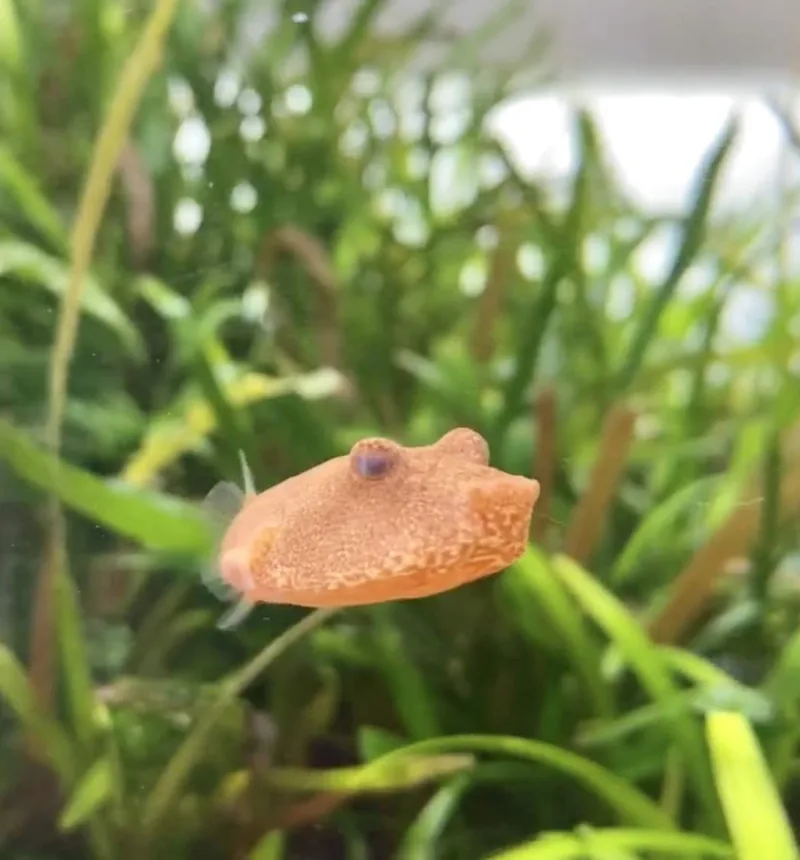 A PERSONALITY YOU CAN’T MISS.
Meet your new
favorite ambush artist.
The potato puffer is a master of the riverbed: burying in soft sand, watching the world with those unmistakable eyes, and striking when dinner gets close.
Good care starts with understanding that personality. Give it room to dig, clean oxygen-rich water, a thoughtful menu, and an aquarium of its own.
Get to know the speciesEverything your potato needs.
From your first tank to the little things
you learn along the way.
13 guides available
Meet the potato puffer
A little riverbed predator with an outsized personality. Get to know Tetraodon miurus.
Read the guide 3 min readTHE HABITAT02Build a home for an ambush artist
Choose the right footprint, soft sand, secure cover and oxygen-rich water.
Read the guide 3 min readWATER & ROUTINE03Clean, stable freshwater
Understand the numbers, protect your filter and build a water-change routine.
Read the guide 4 min readFOOD & NUTRITION04Feed the predator, not the appetite
A species-specific menu, sensible portions and a patient approach to tong training.
Read the guide 4 min readPERSONALITY & BEHAVIOR05Learn to read your little potato
What burying, color changes, begging and glass surfing can tell you.
Read the guide 4 min readHEALTH & TROUBLESHOOTING06Notice a problem early
Check water first, recognize urgent signs and know when to seek an aquatic vet.
Read the guide 4 min readWATER & ROUTINE07A routine that keeps care simple
Daily observations, weekly water changes and a checklist you can keep beside the tank.
Read the guide 4 min readTHE HABITAT08One puffer. Its own aquarium.
Why a dedicated species tank is the safest plan for Tetraodon miurus.
Read the guide 3 min readSTART HERE09Your first month with a potato puffer
Prepare the aquarium, settle your fish and build confidence one routine at a time.
Read the guide 4 min readTHE SPECIES10Potato puffer vs. spotted Congo puffer
Two freshwater Congo puffers, two species. Learn the names and the differences before you buy.
Read the guide 4 min readHEALTH & TROUBLESHOOTING11When your potato puffer won’t eat
Check the environment, review the menu and separate a skipped meal from a developing problem.
Read the guide 3 min readTHE HABITAT12The right sand for a potato puffer
Give a burrowing fish a safe riverbed, with practical choices for depth, cleaning and rock placement.
Read the guide 3 min readSTART HERE13Before you buy a potato puffer
A practical readiness checklist for the fish, the tank, the food and the long-term commitment.
Read the guide 3 min readNo guides match this search and topic. Try fewer words or .
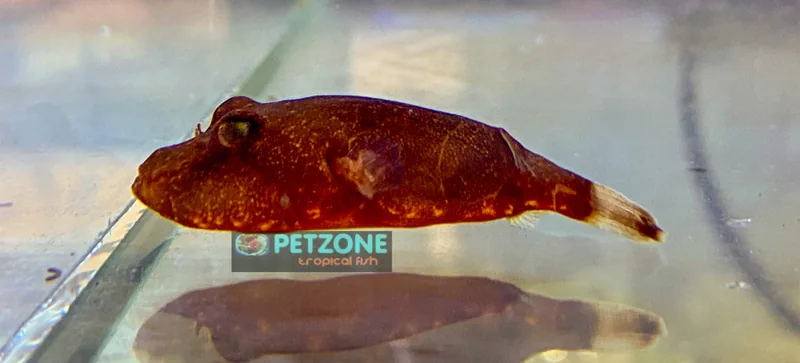
Stillness can
be a superpower.
A potato puffer resting in the sand is often doing exactly what nature designed it to do. Learn its normal behavior so you can spot the moments that need your attention.
Understand puffer behaviorA few things
every keeper asks.
Small details make a big difference.
Does a potato puffer need salt?
No. Tetraodon miurus is a freshwater species. Do not use brackish-puffer instructions or add marine salt routinely. See the water guide.
Can it live with other fish?
Plan for one miurus in its own aquarium. Smaller animals can become prey and larger fish can be injured. A cleanup crew is also at risk. See tankmates.
Why is my puffer buried all day?
Burying and long periods of rest are normal ambush behavior. Check breathing, appetite and body condition against its usual baseline. Sudden changes or labored breathing warrant investigation.
How often should an adult eat?
Two to three modest meals per week is a species-specific starting point for a healthy adult. Adjust to condition; juveniles need a different schedule. Read the feeding guide.
Is this the spotted Congo puffer?
No. This guide covers Tetraodon miurus, the potato puffer. Tetraodon schoutedeni is the spotted Congo puffer and has different behavior and care considerations.
Can I make it puff up for a photo?
No. Inflation is a defensive response. Avoid startling, handling or lifting the fish into air. Photograph it calmly through the glass.
One little fish.
A lot to love.
Follow the personality behind the name on Instagram.
Visit @taterpuffer ↗