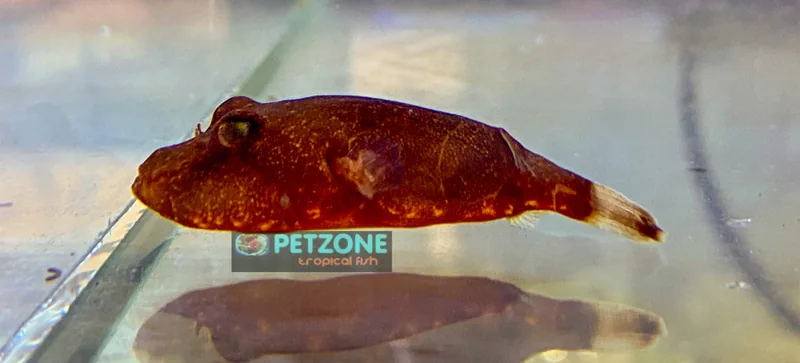
How do I maintain a potato puffer aquarium?
Check temperature, filter flow, breathing and body condition daily. Test water and remove waste at least weekly. Begin with a 30–50% weekly matched, dechlorinated water change, then adjust to nitrate and waste levels. Locate the buried fish before siphoning. Protect biological filter media during cleaning.
| When | Task | What determines adjustments |
|---|---|---|
| Daily | Temperature, flow, breathing, condition; remove leftovers | Changes from the fish’s usual baseline |
| Weekly | Water tests, matched water change, waste removal | Nitrate trend and waste load |
| As needed | Mechanical filter cleaning and equipment inspection | Clogging, flow loss and manufacturer instructions |
| During an outage | Aeration, temperature stability, no feeding; keep biological media wet | Outage length, breathing, temperature, ammonia and nitrite |
Every day: look before you feed
Check temperature, filter flow, surface agitation and the lid. Observe breathing and body condition without disturbing the fish. Remove leftover food. Feed only when due on the fish’s individual schedule. A quick daily observation is often what makes an early problem visible.
Every week: test, change, tidy
Measure ammonia, nitrite and nitrate; note results. Change an appropriate amount of water—30–50% is a starting routine, adjusted to results. Dechlorinate and match replacement water. Lightly siphon waste above the sand after locating the fish. Wipe viewing glass and inspect equipment guards.
As needed: service the filter
Service mechanical media when flow drops or debris accumulates. Gently rinse in removed tank water. Keep biological media wet and avoid changing all of it at once. Inspect hoses and impellers according to the manufacturer’s instructions. Stagger deep cleaning so you do not destabilize the aquarium.
If power or filter flow stops
Prioritize aeration and stable temperature. Use a battery air pump if one is available, stop feeding while filtration is uncertain and keep biological media wet. When power returns, confirm that the filter restarted and temperature is normal; then test ammonia and nitrite and watch the fish’s breathing. If water quality changed, increase aeration and correct it with matched, dechlorinated water changes. Do not replace all filter media just because flow stopped.
Before a trip
Give a sitter written instructions, pre-portioned foods and a feeding calendar. Explain that an adult does not need extra meals just because someone visits. Provide emergency contacts, your usual test results and water-change instructions. Avoid an untested automatic feeder or adding unfamiliar live prey before departure.
Keep a care record
Track date, ammonia, nitrite, nitrate, temperature, water-change volume, foods and appetite. Note unusual behavior and photographs. Logs make trends visible and help a veterinarian connect symptoms to changes. Use the printable care sheet linked below for a simple starting point.
Common questions
Should I vacuum all the sand deeply?
Begin by removing waste just above the surface after locating the fish. Clean in sections and avoid undermining rocks or repeatedly disturbing the buried puffer.
Can I replace all filter media at once?
Avoid doing so. Losing mature biological media can destabilize the nitrogen cycle. Keep it wet and stagger cleaning or replacements.
Can I feed extra food before going on vacation?
No. Extra food increases waste and does not safely cover future meals. Leave pre-portioned foods and written instructions matched to the fish’s schedule.
What should I do if my potato puffer’s filter stops?
Restore aeration and circulation as soon as possible, keep biological media wet and skip feeding while filtration is uncertain. After restart, confirm temperature and flow, test ammonia and nitrite, and watch breathing. Do not replace all mature media just because the filter stopped.
How often should I change the water in a potato puffer tank?
Begin with a 30–50% water change each week, then adjust the amount or frequency to measured nitrate and waste. Dechlorinate replacement water and closely match its temperature and chemistry. Any detectable ammonia or nitrite requires prompt corrective water changes and investigation rather than waiting for the usual schedule.
This guidance is for Tetraodon miurus. Care targets are starting points to use with observation and water testing. For symptoms or treatments, consult an aquatic veterinarian.
Explore our resources and photo credits